
Client Case Study:
Post Surgical Lymphatic Massage Recovery
Three Years of Post-Surgical Lymphatic Recovery
How skilled lymphatic massage changed the recovery — and the long-term results — of a 360 lower body lift.
The Background
In 2023, after an 18-month weight loss journey in which she lost over 100 pounds, Katherine sought out a surgeon in Seattle to perform a 360 lower body lift, also known as a circumferential belt lipectomy. The surgery addresses the full circumference of the lower body, including the abdomen, hips, buttocks, lower back, and flanks. In Katherine's case, the surgical team removed 11 pounds of loose skin from the abdominal region and performed muscle repair for diastasis recti, bringing the abdominal muscles back together.
The result was a 360-degree scar around the entire midsection and a recovery that would stretch well past a year. What no one fully prepares you for, Katherine says, is what comes in the weeks immediately following surgery: the fluid.
“The only way to get relief from the swelling is from a skilled lymphatic massage practitioner.”
The Challenge: Swell Hell
"Swell hell" is the term used in post-surgical recovery communities to describe the intense, often painful fluid retention that follows major skin removal surgery. The body's lymphatic system, disrupted by the cutting and repositioning of tissue, struggles to drain the fluid that pools beneath the surface, particularly around incision sites, drain points, and adhesion areas. Compression garments help, but they do not solve the problem. The fluid has to move, and it needs help moving.
Katherine did her research before her surgery and quickly realized that finding the right practitioner would be as important as finding the right surgeon. Many providers who market themselves as lymphatic specialists use tools such as wood boards and rollers rather than hands-on technique. The traditional approach to lymphatic massage is also extremely light, and Katherine found through her own experience that a lighter touch does not always move fluid effectively in the context of post-surgical cosmetic recovery.
She had a session with a practitioner in Seattle while still in the immediate post-op period. They used an extremely light touch and red lights, but it didn’t move any of the fluid. She felt no relief whatsoever.
The Solution: Finding Nicole
Katherine was recommended to Nicole Mendez for her specialty in lymphatic massage before her surgery. When she returned home from Seattle approximately 14 days post-operation, still very much in aggressive recovery, she began seeing Nicole twice a week.
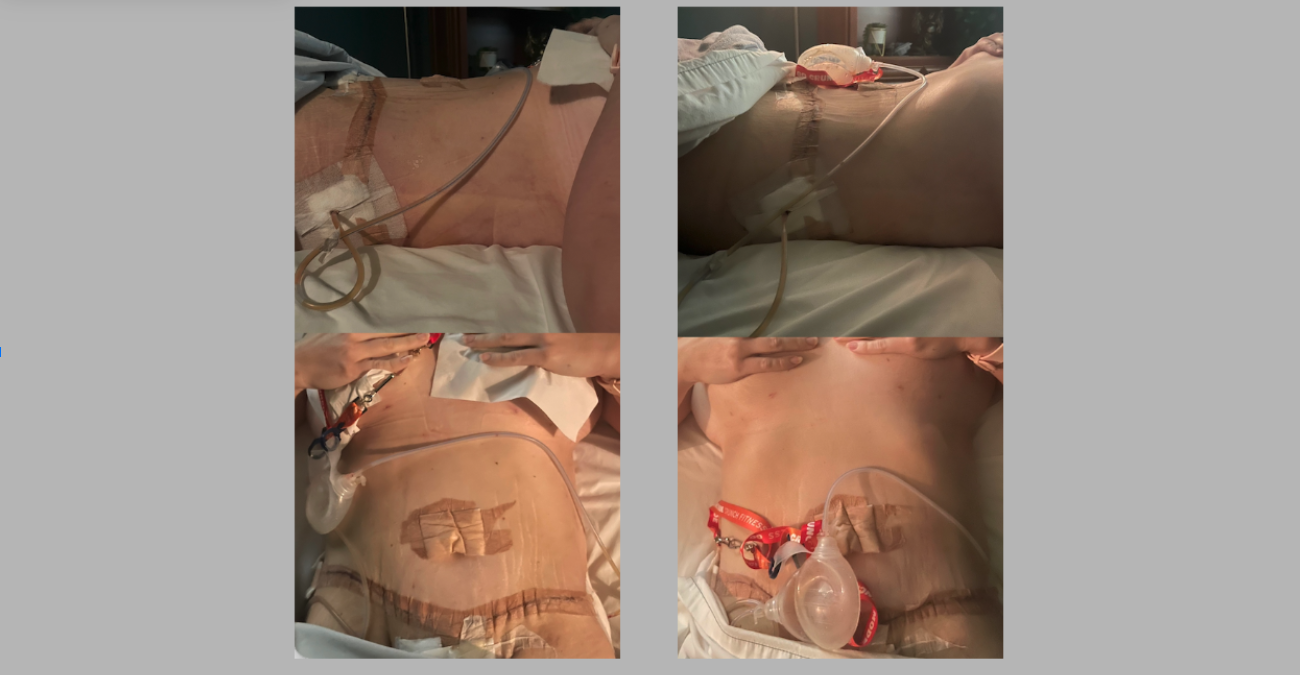
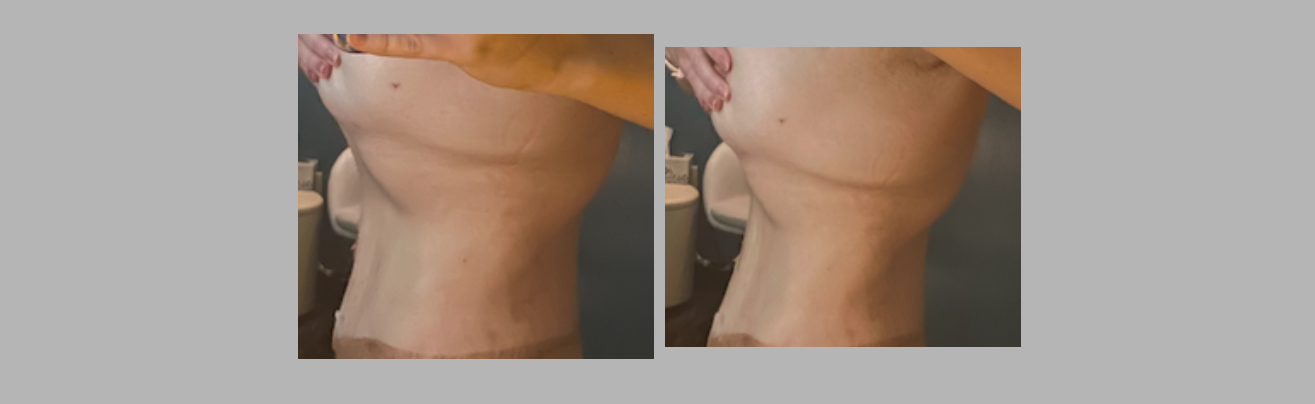
The difference was immediate and measurable. After each session, Katherine documented the change with before-and-after photos. The visual difference was obvious from session to session. She also tracked her weight: the amount of fluid leaving her body through each session ranged from three to five pounds, session after session, as her body finally found a pathway to release the fluid that had been trapped beneath the surface.
Nicole's technique is hands-only. No tools, no boards. Pressure is calibrated to the client's current pain level and healing stage, and it adapts as recovery progresses. For someone with active drain sites and fresh incisions still present, that responsiveness is not optional. It is the difference between help and harm.
“I felt so much better after each session. I wanted to cry with relief.”
Before & After: The Visual Record
Katherine documented her recovery across multiple sessions. The following photos show the progression of swelling reduction over the course of treatment.
Photos 1 — Early Recovery (15 days post-opt)
BEFORE & AFTER — Visible reduction in abdominal fluid pooling after a single treatment, showing rib definition.
Photos 2 —Recovery (6 Weeks Post Surgery)
BEFORE & AFTER — Showing continued swelling reduction and improved muscle/bone definition as fluid is consistently drained.
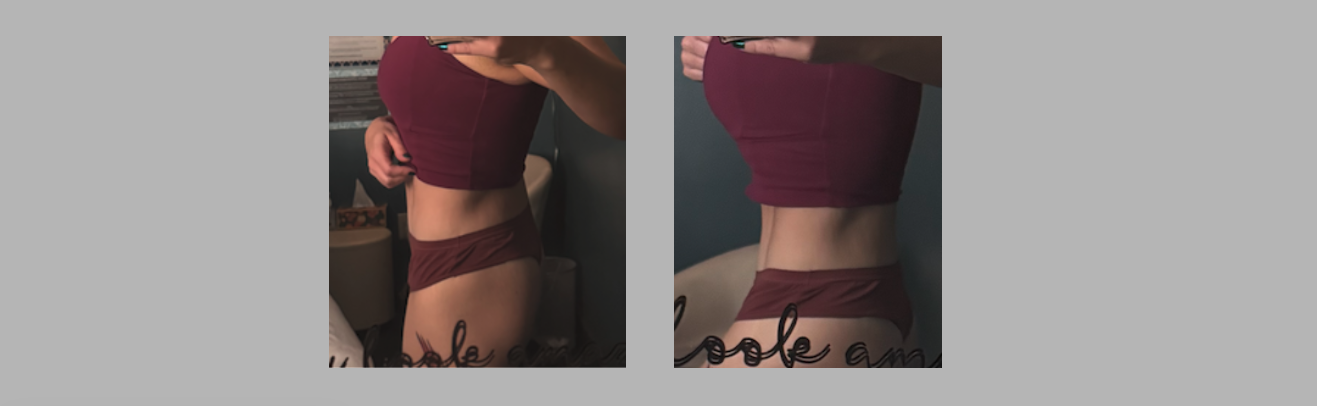
Photos 3 — Long-Term Results (3 Years Post Op - April 2026)
BEFORE & AFTER — Consistent lymphatic maintenance has preserved healing results and kept swelling manageable long-term.
Three Years Later - 2026
Katherine is now three years removed from her surgery. Her results, she says, have held up beautifully. She attributes this, in a meaningful part, to the lymphatic work: keeping fluid from pressing against healing scars prevented them from widening or becoming more aggressive. Addressing pockets of fluid around adhesion points and former drain sites during recovery gave the tissue the best possible environment to heal correctly.
She still sees Nicole monthly to bimonthly. The reason is straightforward: post-surgical bodies continue to respond to inflammation triggers differently than they did before. Overindulgence, alcohol, and other lifestyle factors that would have been unremarkable before surgery can still cause uncomfortable swelling years later, because the tissue has changed. Regular lymphatic sessions give Katherine a reliable way to manage that without it escalating and allow her to continue to see the results of her hard work in the gym.
“I still get relief. Even three years later, the results are still there.”
Why Technique Matters
Katherine's experience with a practitioner in Seattle who produced zero relief, compared to immediate and measurable relief from Nicole, is not an anomaly. It is a pattern that comes up consistently in post-surgical recovery communities. The difference, Katherine found, comes down to two things:
Hands-only technique. Tools like wood boards and rollers apply surface pressure that does not effectively engage the lymphatic pathways in a post-surgical body. It can also harm healing tissue as it recovers, as there is no tactile feedback. Nicole's approach is manual only, with pressure calibrated to the client's current state.
Pressure calibration. Traditional lymphatic massage is intentionally very light. Post-surgical cosmetic recovery often requires a more targeted approach that actually moves fluid through compromised lymphatic pathways, not just brushes the surface. Nicole adjusts the technique to the client's healing stage.
In Katherine's words:
"The swelling that goes along with cosmetic surgery is the most uncomfortable part of recovery, and the only way I found to remove that swelling is from a very skilled lymphatic massage practitioner like Nicole. I recommend her to everyone I know who is seeking these types of treatments, or anyone dealing with swelling issues at all. It is such an effective method that is unique to her practice."